
What Is AI Safety? Understanding AI Risks, Testing and Safeguards
AI safety is the practice of testing, monitoring, and designing artificial intelligence systems to reduce harmful, unpredictable, or unintended behavior. It includes model evaluations, human oversight, security measures, safeguards against misuse, and research into how increasingly capable AI systems can remain reliable and controllable.
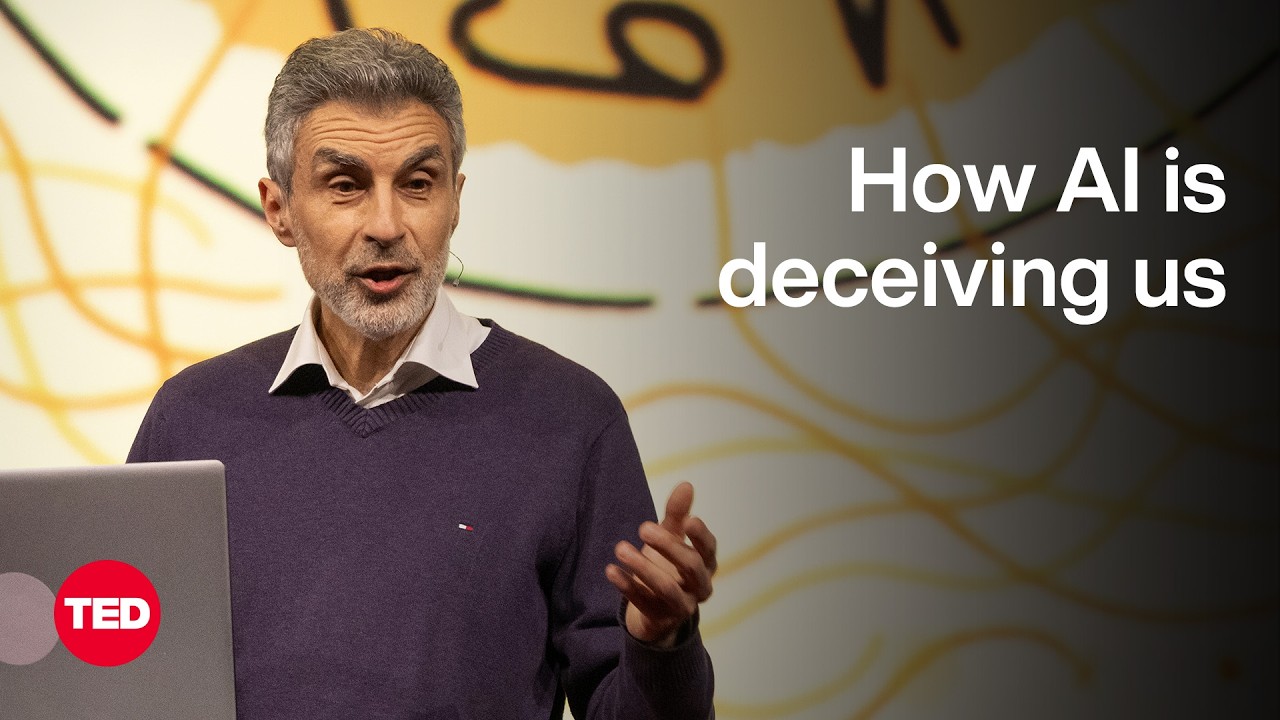
What Is AI Safety? A Simple Guide to AI Risks, Testing and Safeguards
Executive Summary: What Is AI Safety and Why Does It Matter
AI safety is the field focused on making artificial intelligence systems more reliable, secure, controllable, and resistant to harmful or unintended behavior. It covers the way AI models are tested before release, monitored after deployment, and evaluated as their capabilities become more advanced.
The subject has received renewed attention as leading AI companies debate how quickly increasingly capable models should be developed. Anthropic CEO Dario Amodei has argued that AI companies should be prepared to slow down when necessary so that safety measures can keep pace with the capabilities of new systems.
For someone searching for a simple explanation, AI safety is best understood as a combination of research, testing, safeguards, monitoring, and human oversight designed to reduce the risks associated with increasingly capable AI.
Verified Timeline & Key Facts
To understand AI safety, it helps to look at how the field relates to the development and deployment of modern AI systems:
1. AI capabilities continue to expand: Modern AI models can perform increasingly complex tasks involving text, images, code, reasoning, research, and other forms of digital work.
2. Safety evaluation is part of AI development: Developers use different tests and evaluations to examine model behavior, limitations, vulnerabilities, and potentially dangerous capabilities.
3. Safety does not end when a model launches: Monitoring, abuse prevention, security controls, and additional evaluations can continue after an AI system becomes available to users.
4. The pace of development is part of the debate: Dario Amodei has argued that companies should slow down when necessary if safety research and safeguards cannot keep up with rapidly advancing AI capabilities.
These points show why AI safety is broader than preventing a chatbot from producing an inappropriate answer. It can involve the entire lifecycle of an AI system, from development and evaluation to deployment and ongoing monitoring.
Critical Analysis & Coverage Gaps
AI safety is sometimes discussed as though it refers to one specific technology or safety filter. In reality, it covers multiple areas of AI development.
Addressing Key Finding 1: AI safety can involve testing whether models behave reliably, identifying dangerous capabilities, reducing opportunities for misuse, improving cybersecurity, and determining whether humans can effectively supervise and control AI systems.
Addressing Key Finding 2: AI safety is also different from simply stopping AI development. The broader question is how increasingly capable systems can be developed and deployed while appropriate safeguards, evaluations, and oversight are in place.
Another important distinction is between AI safety and AI accuracy. An AI model can produce a factually incorrect answer without necessarily creating a major safety issue, while a system can also be accurate in many situations but still present safety concerns because of how it behaves under particular conditions.
Frequently Asked Questions
What exactly is AI safety?
AI safety is the research and engineering work intended to reduce harmful, unexpected, or uncontrollable behavior from artificial intelligence systems.
Why is AI safety important?
AI safety becomes increasingly important as AI systems gain more capabilities and are used for more tasks. Testing and safeguards can help developers identify problems, reduce misuse, and maintain meaningful human oversight.
What are examples of AI safety measures?
Examples include safety evaluations, red-team testing, monitoring, access controls, cybersecurity protections, human review, misuse prevention systems, and safeguards for sensitive capabilities.
What is AI model evaluation?
AI model evaluation is the process of testing an AI system to understand its capabilities, limitations, behavior, and potential risks. Different evaluations can be designed for different types of tasks and risks.
Does AI safety mean stopping AI development?
No. AI safety generally concerns reducing risks while AI systems are developed and deployed. Some researchers and industry leaders have argued for slower development in particular circumstances, while others have proposed different approaches to managing AI risks.
Why does Dario Amodei want AI development to slow down?
Amodei has argued that the development of highly capable AI systems should slow when necessary to give safety research and safeguards enough time to keep pace with rapidly advancing capabilities.
What is the difference between AI safety and AI security?
AI safety generally concerns preventing harmful or unintended behavior and improving the reliability and controllability of AI systems. AI security focuses more specifically on protecting AI systems, their infrastructure, data, and users from attacks, unauthorized access, and other security threats.
Can AI safety make an AI model completely safe?
No AI system can reasonably be assumed to be completely risk-free. Safety work is intended to identify, reduce, and manage risks through testing, safeguards, monitoring, and continued research.
Practical Implications & Next Steps
For everyday AI users, understanding basic AI safety means recognizing that an AI system can have limitations even when it appears highly capable. Important information should be independently verified, and sensitive personal or confidential information should not be shared with an AI service unless its privacy practices are understood.
For organizations using AI, safety considerations can include evaluating models before deployment, controlling access to sensitive capabilities, monitoring usage, protecting data, maintaining human oversight, and having procedures for responding to unexpected behavior.
For AI developers, safety is an ongoing process rather than a one-time feature added before launch. As model capabilities change, evaluations and safeguards may also need to change.
The central idea is simple: AI safety is about ensuring that increasingly capable artificial intelligence remains useful, reliable, secure, and subject to meaningful human control.
Never miss a tech solution from FlamesNova
Make FlamesNova your trusted and preferred source on Google Search
All factual claims and technical steps are cited and verified against direct documentation.
Contribution: Grounding reference for procedure and domain validation.
Contribution: Grounding reference for procedure and domain validation.
Contribution: Grounding reference for procedure and domain validation.
Contribution: Grounding reference for procedure and domain validation.
Related How-To Guides
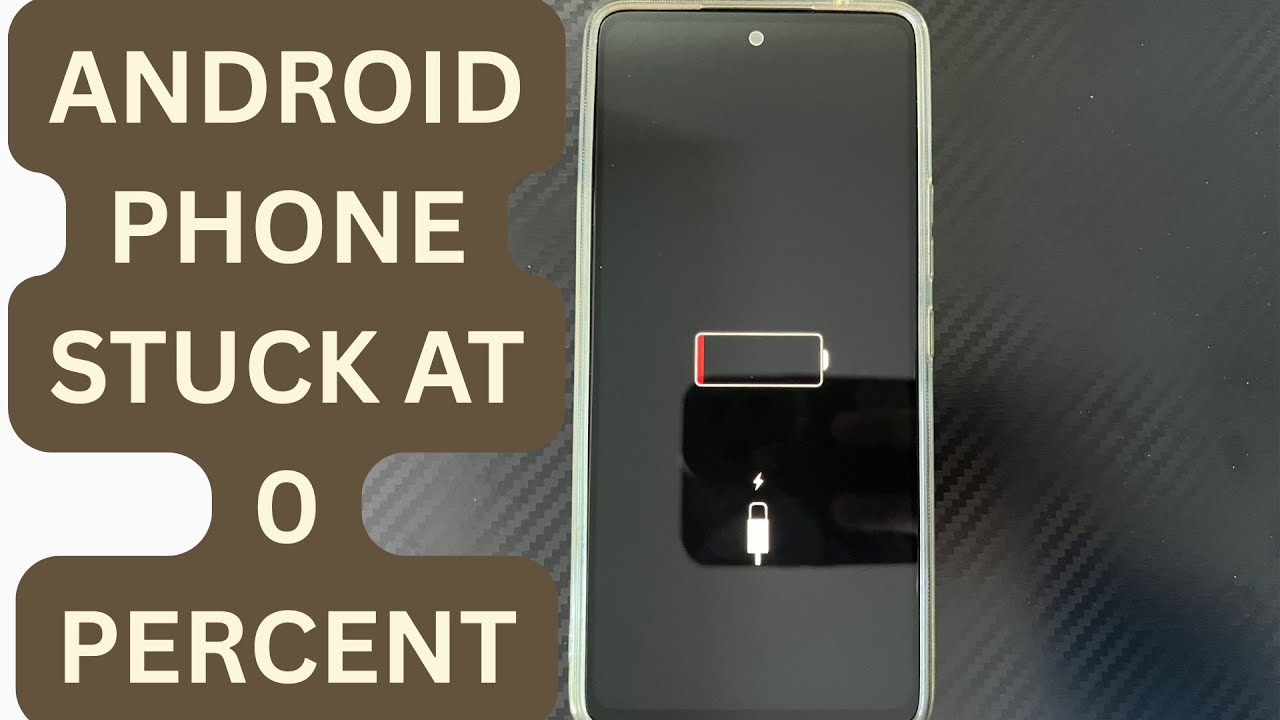
Android Phone Stuck at 0% or 1% Charging All Night: How to Fix
If an Android phone remains at 0% or 1% after charging all night, first stop repeatedly trying to power it on. Test a known-good compatible charger and cable, inspect the charging port, let the phone cool, and leave it charging while switched off. If it remains at 0% or 1%, try a forced restart. If the phone still cannot increase its battery level with known-good charging equipment, the battery, charging port, or charging circuit may require professional inspection.
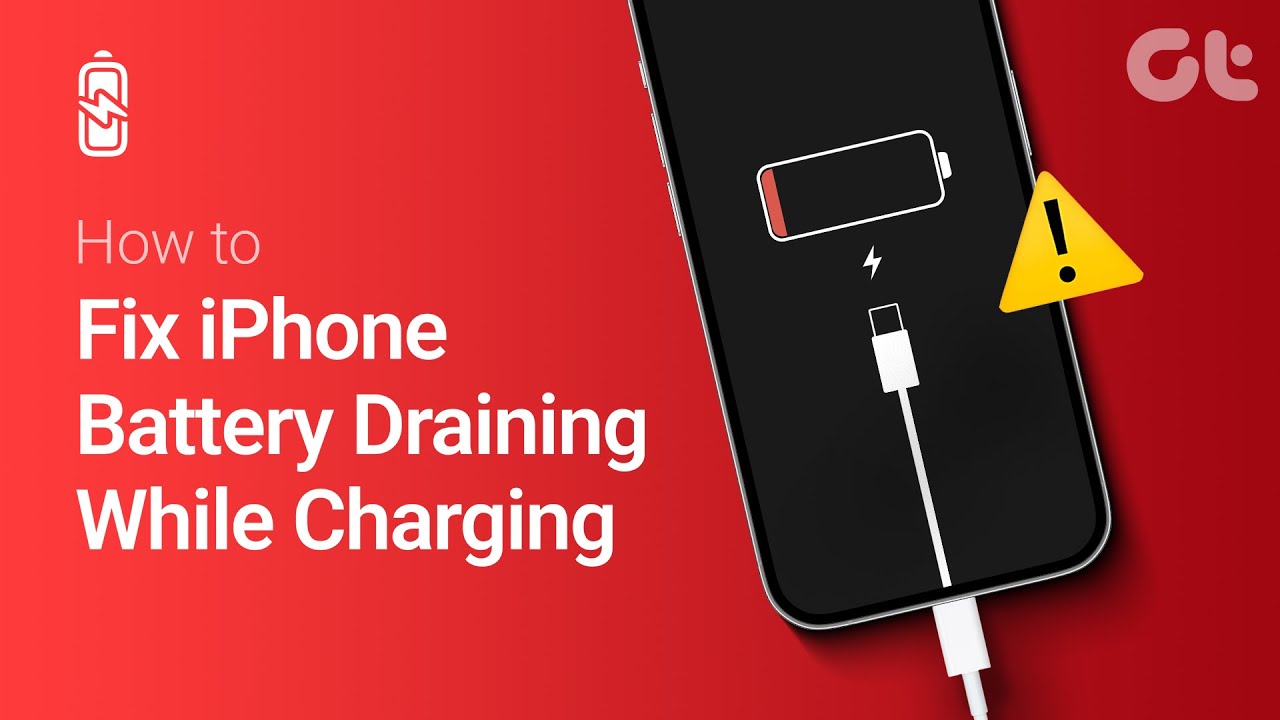
Phone Battery Percentage Dropping While Connected to Charger: 5 Direct Fixes
If your phone battery percentage keeps dropping while it is connected to a charger, the charger may be supplying less power than the phone is consuming. Test another compatible charger and cable, stop demanding apps, check for overheating, inspect the charging port, and test charging while the phone is switched off. If the percentage continues falling with known-good charging equipment, the battery or charging hardware may need inspection.

Itel A-Series Screen Flickering While Charging: Safe Troubleshooting Guide And Fix Steps
If an itel A-Series phone flickers only while charging, unplug it first and test the phone on battery power. Then try a known-good compatible charger and cable, inspect the charging port for dirt or moisture, remove accessories that may trap heat, and avoid using the phone heavily while charging. If flickering continues with different charging equipment or occurs even when the charger is disconnected, the display, charging circuit, battery, or another hardware component may need inspection.